


A luxury home is increasingly being judged by what happens beyond its walls. The quality of the living room, the finish of the flooring, and the view from the balcony still matter, but they no longer shape a buyer’s decision on their own.
People are also looking at how they will spend their time, what services will be available when they need them, where they can unwind and how easily the development will accommodate the routines of everyday life. This shift is giving branded residences a much wider role in the luxury housing market.
What began largely as an association between residential real estate and established hospitality names is developing into a broader proposition, one that brings together design, wellness, dining, recreation and community living. The focus is moving from the identity of an individual home to the experience created by the larger development.
A recognised brand can give a residence a distinct identity. The real question is what that identity means once the buyer moves in. Does it translate into a better-planned home, dependable services, thoughtfully designed shared spaces and a living environment that remains relevant over the years? These are the questions I increasingly hear from buyers in Gurugram, where branded launches along Golf Course Road and the Dwarka Expressway have multiplied in recent years. The answers will shape the next phase of branded residential development in India.
Branded residences have traditionally drawn much of their appeal from the association with a recognised name, particularly in hospitality. Bringing that association into a private residence creates an expectation that extends beyond the physical property.
But staying in a hotel and living in a branded residence are very different things. A hotel guest experiences a service for a few days. A homeowner lives with the design, operating arrangements and management of the property for years. The service experience must therefore be suited to everyday residential life, where privacy, personal preferences, family routines and the practicalities of maintaining a home carry considerable weight.
Housekeeping, concierge assistance, maintenance, dining and other services can make daily life more convenient, but they need to be planned around the way residents actually live. A service that sounds attractive in a brochure has limited value unless it can be delivered consistently and accessed without unnecessary complexity.
The same principle applies to design. A globally recognised brand may bring a distinctive design language and established standards, but those standards must be interpreted for the local market. Indian households have their own requirements around kitchens, storage, domestic help, family gatherings and the use of indoor and outdoor spaces. A residence should retain its design identity while responding to these everyday needs. Luxury is often experienced most clearly in how naturally a home works.
A clubhouse, swimming pool or gym was once a major point of differentiation. These facilities remain important, but the offering now encompasses a more connected range of experiences, including wellness, fitness, landscaped open spaces, dining, leisure and places where residents can meet without having to leave the project premises.
The difference lies in how these elements are brought together. Their location, accessibility, operating hours and relationship with the residential spaces determine how useful they become. A wellness centre that is easy to reach, walking routes that residents can use throughout the day and social spaces that accommodate different age groups may contribute more to everyday life than a much longer list of amenities.
Wellness, in particular, is becoming a more considered part of residential planning. It need not be limited to a gym or a dedicated treatment room. Natural light, ventilation, greenery, places to walk and areas that offer a degree of quiet can influence how residents experience their surroundings.
The larger idea is not that every luxury development should contain everything. It is that the facilities offered should form a coherent whole. Their relevance to the buyer, rather than their number, should determine what gets built.
Also read: What Bengaluru Homebuyers look for Beyond Location and Space
This is where branded residences begin to evolve into branded communities. When residents share a common set of expectations around privacy, service and lifestyle, a development starts to function as more than a collection of homes.
Curated events, a members-style club, programmes for children and spaces where different generations can spend time together give residents reasons to engage with one another, while a shared standard of upkeep gives everyone a stake in how the community is run.
For Indian families, this carries particular weight. Homes here are usually bought for the long term, often with more than one generation in mind, and social life is closely tied to where one lives. A buyer is choosing neighbours as much as a floor plan.
Developers who plan for this, through the mix of unit sizes, the design of shared spaces and a clear framework for how the resident body and the operator work together, will create communities that hold their appeal, and their value, well beyond the launch phase.
Hospitality companies continue to play an important role in branded residences because they bring an established understanding of service delivery. Yet the category is expanding beyond traditional hotel brands.
Fashion, automotive, design and wellness businesses are also entering the residential space, bringing their own associations with aesthetics, technology, personal identity and lifestyle.
The choice of partner therefore needs to begin with the intended resident and the product being created. A design-led brand may contribute a recognisable visual language, while a hospitality partner may bring service systems and operational expertise.
Savills’ 2026 research on branded residences in Asia Pacific illustrates the scale of this market. The average branded-residence premium in Asia Pacific rose from 23% to 29% over the preceding year, compared with a global average of 33%. India is now the third-largest branded residence market in the region. But not every branded tag is worth a 30% premium, and buyers in Gurugram are starting to price that in. The premium holds where the brand genuinely shapes the design, services and management of a project. Where it is little more than a name on the facade, it rarely survives the resale market.
For developers, the more important consideration is the relationship between the brand and the product. The objective is not to attach as many recognisable names as possible, but to create a residential proposition in which each element has a reason to be there.
The fundamentals of real estate do not change simply because a residential project carries a brand. Location remains central. A branded development must still make sense within the market it serves.
The developer's role is equally important. Creating a branded residence requires decisions to be taken much earlier than the point at which a brand appears in the marketing material. The intended service model, spatial planning, shared facilities, building specifications and operational requirements need to be considered together. Retrofitting these elements later can be difficult, particularly where the original layout has not allowed for the movement of staff, storage, service access or the maintenance of specialised facilities.
Construction quality provides the foundation on which the entire proposition rests. These aspects need to meet the standards promised to buyers and remain practical to maintain. A well-designed residence should work as well ten years after possession as it looks on the day of handover.
The operating model deserves the same attention. Hospitality-led services require trained personnel, defined procedures and clear responsibilities. The service arrangement must also be financially sustainable.
Staffing, maintenance, utilities and the upkeep of shared facilities have a bearing on the cost of living. Buyers should have a clear understanding of the services being offered and the recurring expenditure associated with them. Where a branded partner is involved, the respective responsibilities of the developer, brand operator and residential management team need to be understood from the outset.
The most common mistake I see is buyers treating the brand name as a guarantee, without reading what the brand has actually committed to. In some projects, the association covers design alone, or lapses within a few years of possession.
My advice to buyers is simple: before committing, ask who will run the building after possession, what the service agreement covers, how long the brand association is contracted for, and how maintenance charges will be revised over time.
Also read: Why Experience-Driven Retail is the Future of Modern Malls
Branded residences in India are moving past the stage where a famous name alone could sell a project. The numbers suggest the segment is only getting started. Savills expects the number of completed branded residence projects in India to more than double, from 19 today to 43 by 2032.
Gurugram, which accounted for 91% of Delhi-NCR’s sales of homes priced above ₹5 crore in the first half of 2025, according to JLL, is well placed to lead that growth. As supply rises, buyers will have more choice, and they will become more discerning.
The next phase will reward developments that offer a coherent way of living, backed by sound construction, a viable operating model and community residents who want to be part of. For buyers, the brand should be the start of the conversation, not the end of it. For developers, the real test will come not at launch but five and ten years after possession, when the promise has to be delivered every single day.
About the Author:
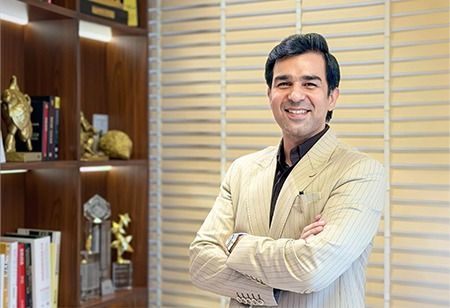
Karan Khanna is the Founder and Managing Director of APEX Acreages and brings over 17 years of experience in the Gurugram and Delhi-NCR real estate market. Since establishing APEX in 2011, he has built the company around the philosophy of “Credibility over dominance; intelligence over scale,” with an emphasis on market-led advisory, high-value transactions and long-term industry relationships. A business graduate from IP University, Khanna holds professional credentials including ABR, CIPS and REAL, and brings expertise across real estate advisory, property taxation, legal frameworks and the evolving preferences of high-net-worth and ultra-high-net-worth individuals.
We use cookies to ensure you get the best experience on our website. Read more...
Copyright © 2026 siliconindia Homes. All Rights Reserved.
