


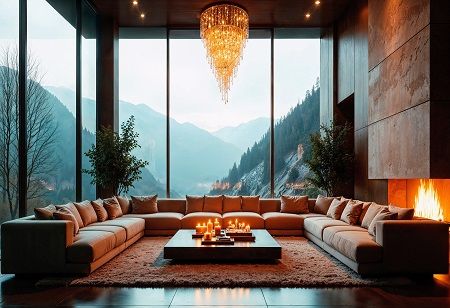
A house is not just a physical dwelling place for meals, sleeping and other activities. A house is a personal space that can have an effect on one's feelings, thoughts, relaxation and social interaction. With increasing pressure in the modern world, there is an increase in the need to ensure houses are designed to provide emotional balance. Working long hours, reliance on technology, urbanisation, lack of contact with the natural environment, and increasing indoor activity make the residential environment very important nowadays. According to the World Health Organisation, housing can affect the mental health of individuals. Overcrowding, noises, lack of natural light, environmental pollution and lack of green areas can cause problems with mental health.
The design of a house is not a substitute for professional treatment in the case of any mental condition, but the design of a house can make the environment feel safer, relaxing and calming. The elements of design like lighting, ventilation, colour, spatial arrangement, privacy, landscaping, acoustics, materials and even furniture arrangements can help to shape the feeling inside a house. Good design can decrease unnecessary stimuli, help develop good habits and give relaxing areas to live and express yourself.
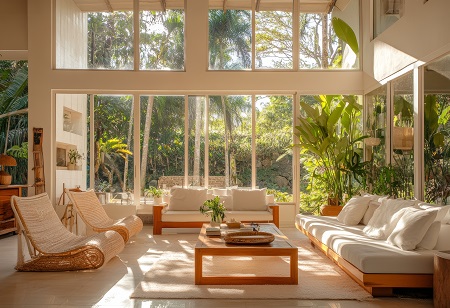 Light from the sun is one of the key factors that can be considered when designing your house. Not only does sunlight ensure that the interior of your house is well lit, but it also helps in maintaining the normal circadian rhythm in our bodies. The WHO reports that good levels of natural light are important for ensuring good mental health and mood regulation. There have been studies on dwellings that show how good daylighting designs contribute to overall happiness.
Larger windows, glass doors, skylights, and window treatments are some ways through which homeowners can make use of maximum natural lighting. Mirrors may be placed appropriately so as to reflect sunlight into areas which would otherwise be darker. Light-coloured walls and ceilings may also assist in dispersing natural lighting in rooms. It is important that furniture does not interfere in any way with windows or areas of natural light. Adjustable curtains or blinds in bedrooms will enable homeowners to benefit from sunlight during the day but regulate lighting while sleeping.
Also read: Top 10 Interior Design Trends Shaping Indian Homes
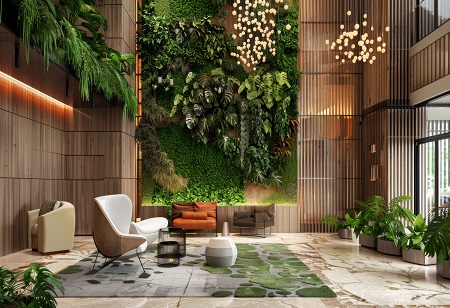 The relationship of humans to nature is another factor to be considered in design for mental well-being. Biophilic design uses elements from nature in the built environment through the use of plant life, natural materials, views of vegetation, water, organic form and nature-inspired materials. Recent studies of residential design have identified biophilic design as an aid to psychological well-being through various means such as connecting with nature, a sense of place and positive activities.
Indoors, bringing nature inside may not always demand a lavish garden. Some indoor plants, a balcony that is well-planted with greenery, natural stone flooring, wood furnishings or artwork that is based on nature can help in creating a better connection with nature. For homes where there are balconies or terraces or even courtyards, these areas can be made into a green refuge for the residents. If one has any views outside, one can arrange their furniture in a way so as to view the gardens, trees or any landscape outside.
We use cookies to ensure you get the best experience on our website. Read more...
Copyright © 2026 siliconindia Homes. All Rights Reserved.
