


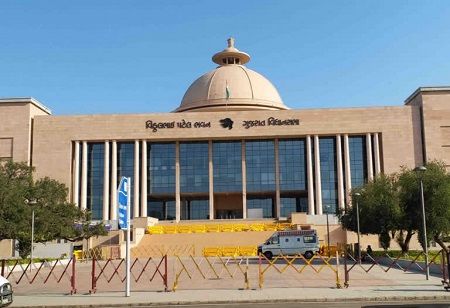
Gujarat Assembly passes the Rent Bill 2026, capping residential security deposits at three months’ rent and introducing measures aimed at creating greater transparency and balance between tenants and landlords.
The Gujarat Assembly passes the Rent Bill 2026, introducing a framework aimed at bringing greater transparency and regulation to rental housing transactions across the state. A key provision of the legislation limits the security deposit that landlords can collect from residential tenants to a maximum of three months’ rent.
The move addresses a long-standing concern among tenants, particularly in urban rental markets where large upfront deposits can create a significant financial burden. By placing a statutory ceiling on security deposits, the legislation seeks to reduce the initial cost of securing rental accommodation and make the rental process more accessible.
Also read: Zuari Infraworld, Gangothri Infraedge Launch Tribhuja in Hyderabad
The three-month limit establishes a clearer standard for residential rental agreements and provides tenants with greater certainty before entering into a lease. The provision is also expected to discourage practices in which tenants are asked to provide deposits substantially higher than the monthly rental value.
The legislation forms part of the state's efforts to strengthen the regulatory framework governing landlord-tenant relationships. A more clearly defined system is expected to provide both parties with greater clarity regarding their financial and contractual obligations.
For landlords, the new framework creates a defined ceiling on deposits while maintaining the ability to secure rental properties against potential contractual liabilities. For tenants, it reduces the amount of capital that remains blocked as a security deposit during the tenancy.
The reform is particularly relevant to Gujarat's growing urban centres, where rental housing plays an important role for students, professionals, migrant workers and families. A predictable deposit structure can improve affordability and simplify negotiations between property owners and prospective tenants.
Also read: High-Street vs Malls: Where Retail Growth Lies in 2026
The legislation also reflects a broader policy emphasis on making rental housing more transparent and structured. Establishing standardised requirements can help reduce disputes arising from differing expectations between landlords and tenants.
With the Assembly's approval, the Rent Bill 2026 marks a significant step towards formalising rental practices in Gujarat. The three-month security deposit cap is expected to remain one of the most consequential changes for tenants and landlords as the state moves towards a more regulated and transparent rental housing market.
We use cookies to ensure you get the best experience on our website. Read more...
Copyright © 2026 siliconindia Homes. All Rights Reserved.
