


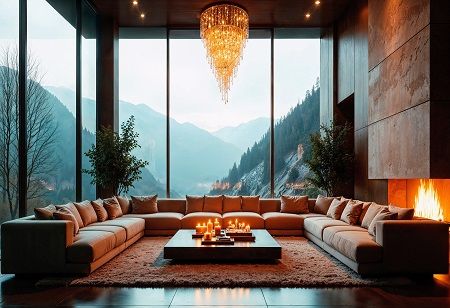
A house is not just a physical dwelling place for meals, sleeping and other activities. A house is a personal space that can have an effect on one's feelings, thoughts, relaxation and social interaction. With increasing pressure in the modern world, there is an increase in the need to ensure houses are designed to provide emotional balance. Working long hours, reliance on technology, urbanisation, lack of contact with the natural environment, and increasing indoor activity make the residential environment very important nowadays. According to the World Health Organisation, housing can affect the mental health of individuals. Overcrowding, noises, lack of natural light, environmental pollution and lack of green areas can cause problems with mental health.
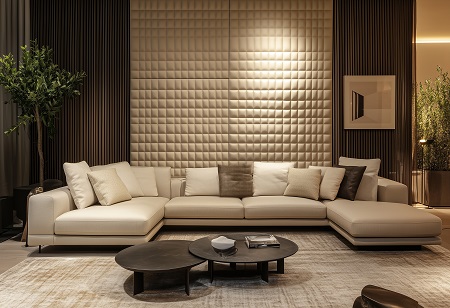 Another aspect of living conditions that is often not considered is sound. Sound from traffic, construction work, household devices, television sets, and people’s conversations may become background noise that does not allow people to relax. According to the WHO, environmental noise is one of the factors affecting people’s health because it leads to insomnia and stress.
Interior design may be able to mitigate excessive noise with the use of carpets, curtains, padded furniture, bookshelves and sound-absorbing panels. It would be ideal for bedrooms to be located far from sources of excessive noise, like busy streets, living rooms and mechanical devices. Double-glazed windows along with increased insulation, can offer further protection from excessive noise in cities, which can be difficult to control from outside. Soft furnishings not only act as noise absorbers but also make large spaces acoustically quieter.
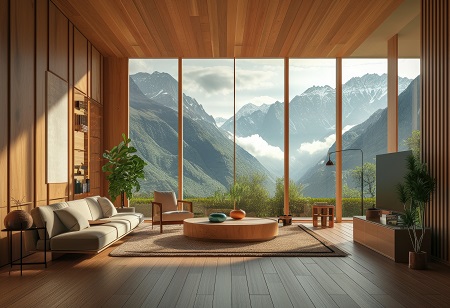 A comfortable place psychologically will also support good physical health. Poor ventilation, moisture, mould, and indoor pollution may impact the quality of the indoor environment and result in health problems. According to the WHO, the above factors are among environmental health risks related to housing conditions.
Design can help achieve better airflow with the inclusion of openable windows, cross-ventilation, exhaust systems, and efficient kitchen and bathroom ventilation. Plants can be incorporated into design as well, but they must not be regarded as a substitute for good ventilation or air quality control. Selection of paints, adhesives and other finishes with lower emissions is another way of minimising exposure to harmful substances indoors.
Also read: Top 5 Modern Home Design Trends Today
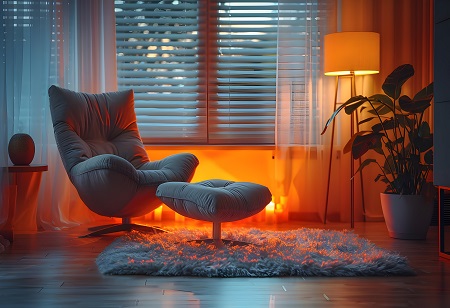 The temperature is a critical aspect in determining the comfort of occupants of houses. Extreme temperatures may affect sleep, concentration and relaxation of the occupant. Window design, shading, insulation, ventilation and the orientation of buildings have the potential to influence thermal comfort inside buildings. Extreme temperatures indoors are recognised by WHO as an important health issue in houses.
Instead of depending solely on mechanical cooling and heating, houses may use a combination of passive measures and technology. Shading from outside, balconies with ventilation, reflectance, insulated walls, and windows appropriately located can be used to balance the indoor climate. Fans installed in the ceiling, curtains, and natural ventilation will assist as well. This creates a comfortable indoor climate which eliminates physical discomfort.
We use cookies to ensure you get the best experience on our website. Read more...
Copyright © 2026 siliconindia Homes. All Rights Reserved.
